
A plain-English guide to PunchOut catalogue integration for suppliers competing for larger enterprise contracts
Published by GetConnect | getconnect.net
It rarely starts out as a technical requirement. More often it is buried in a tender document or a service level agreement, as one line among many: the successful supplier must be able to support PunchOut ordering through the buyer’s procurement platform, and in some cases must keep pricing, stock and shipping information updated frequently. For a promotional merchandise distributor bidding for that contract, the question is not really a technical one. It is whether you can tick that box, because if you cannot, the conversation may not get much further.
The good news is that PunchOut, once you get past the jargon, is a well-established way of connecting a supplier’s eCommerce store to a buyer’s procurement system, and it is already in place across a large share of B2B trade. The concept is simple once it is explained properly, the standards behind it are consistent across most major procurement platforms, and being able to answer that tender question with confidence does not require rebuilding your site from scratch.
This guide covers what PunchOut actually is, why it has become a condition of winning larger contracts rather than a nice-to-have, what enterprise buyers get out of requiring it, and how GetConnect can help you get connected.
What is PunchOut?
PunchOut lets a buyer’s employee move from their own procurement system directly into your website, already logged in, already looking at pricing and products agreed for their organisation, without creating a new account or leaving their normal workflow. Once they have chosen what they need, their basket is sent back into their procurement system rather than checked out on your site, where it goes through whatever approval process their organisation already has in place before a purchase order is generated.
The name comes from the buyer’s perspective. They punch out of their procurement system into your store, and punch back in again once their order is ready. From your side, nothing about the buying experience changes for your other customers. The only difference is that this particular buyer arrives already authenticated, already seeing the products, pricing, and terms agreed for their account, and leaves without going through your standard checkout.
Behind that experience sit two long-established data standards, cXML and OCI, which handle the technical handshake between your platform and theirs. Most of the procurement systems used by larger organisations, including SAP Ariba, Coupa, and Jaggaer, work on one or both of these standards, which is part of why PunchOut has become so consistent across different buyers rather than a bespoke arrangement each time.
Why PunchOut is now a condition of winning the contract, not just servicing it
For a lot of distributors, PunchOut first appears as a line in a tender response rather than something raised by an existing client. Larger organisations increasingly write it directly into their procurement requirements: the successful supplier must be able to support PunchOut ordering through the buyer’s chosen platform, and sometimes there is a further obligation attached, such as keeping product, pricing, or stock data updated to that platform regularly. None of this is negotiable in the way commercial terms often are. It tends to be treated as a pass or fail requirement, checked before the buyer gets into pricing or service levels at all.
That changes when PunchOut needs to be on your radar. It is no longer a conversation to have once a contract has started, or something to promise you will look into once you have won the business. If a tender asks the question directly, a distributor who can answer it with confidence, and demonstrate how, is already ahead of a competitor who is still working out what PunchOut means. Two suppliers with a similar catalogue and similar pricing can find that this single capability is what actually decides which one gets the contract.
It is also worth being aware that the requirement rarely stops once the contract is signed. Where a service level agreement specifies ongoing servicing, such as refreshed pricing or stock data on a quarterly basis, that becomes a standing obligation for as long as the contract runs, not a box that only needs ticking once at the start. A PunchOut connection that was rushed together to win the tender and then left unmaintained tends to surface as a problem at exactly the point a contract comes up for renewal.
Why do enterprise buyers require PunchOut from their suppliers?
Beyond the tender requirement itself, there are practical reasons buying organisations build PunchOut into their systems in the first place, and understanding them helps make sense of why the requirement exists and why it is treated as non-negotiable.
Keeping spend inside an approved process
Large buying organisations spend a considerable amount of effort deciding which suppliers are approved, what pricing applies, and who is authorised to buy what. Without PunchOut, that structure is only as strong as people’s willingness to use it, and orders placed outside the system, sometimes called maverick spend, quietly undermine it. PunchOut keeps every purchase, regardless of which supplier it goes to, inside the same approval workflow, which is part of why procurement teams treat it as close to non-negotiable for suppliers they buy from regularly.
Fewer errors, less re-keying
Where a buyer’s order data does not flow automatically into their own systems, someone on their side ends up re-entering it, and someone on the supplier’s side is often doing something similar in reverse. PunchOut removes most of that manual handling, because the basket returns from your store into their procurement system in a format their ERP already understands, ready to become a purchase order without anyone retyping line items or chasing missing references.
Consistency across every supplier they use
A large buyer might work with dozens of suppliers across categories including promotional merchandise, and very few of them want to learn a different ordering process for each one. Because PunchOut runs on the same handful of standards regardless of which platform a supplier’s store is built on, the experience for the buyer stays broadly consistent, even though the supplier fulfilling each order is completely different. That consistency is a large part of why procurement teams have converged on PunchOut rather than leaving each supplier relationship to work differently.
What does this mean for you as a supplier?
If an enterprise client has raised PunchOut with you, the first thing worth understanding is that it does not replace your website or change how the rest of your customers experience it. It adds a specific, authenticated route in for this buyer, built around the pricing, products, and account details already agreed for their organisation. Everyone else continues to browse and order exactly as before.
From a practical standpoint, this usually means working with an integration partner to connect your store to the buyer’s procurement platform, confirm which products and pricing should be visible to them, and test the handshake in both directions, out to your store and back into their system, before it goes live for real orders. It is a piece of configuration rather than a rebuild of your existing site.
As covered above, the commercial pressure to offer this rarely shows up gradually. It tends to arrive as a specific requirement attached to a specific contract, and it is worth treating it that way, rather than as a general trend to get around to at some point.
How GetConnect approaches PunchOut
GetConnect’s PunchOut capability is built around the procurement platforms enterprise buyers in the promotional merchandise and B2B distribution sectors most commonly use, including SAP Ariba, Coupa, and Jaggaer, using the cXML and OCI standards those systems expect. Through our partnership with Attollo, we can also support buyers who prefer to launch your catalogue from inside their own Microsoft 365 or SharePoint intranet, rather than a separate procurement portal.
In practice, this means that when a client asks you to support PunchOut, we work through what their platform requires, connect your store’s catalogue and agreed pricing to it, and test the connection in both directions before anything goes live. Your other customers continue to shop and order exactly as they always have. The buyer gets a route in that matches how their organisation already works, and you gain visibility over an order flow that would otherwise depend on manual handling at some point in the process.
Getting PunchOut in place is relatively contained work once your platform and the buyer’s requirements are confirmed, rather than a lengthy project, and the administrative relief, fewer re-keyed orders, fewer queries chasing missing details, tends to be felt fairly quickly once the connection is live.
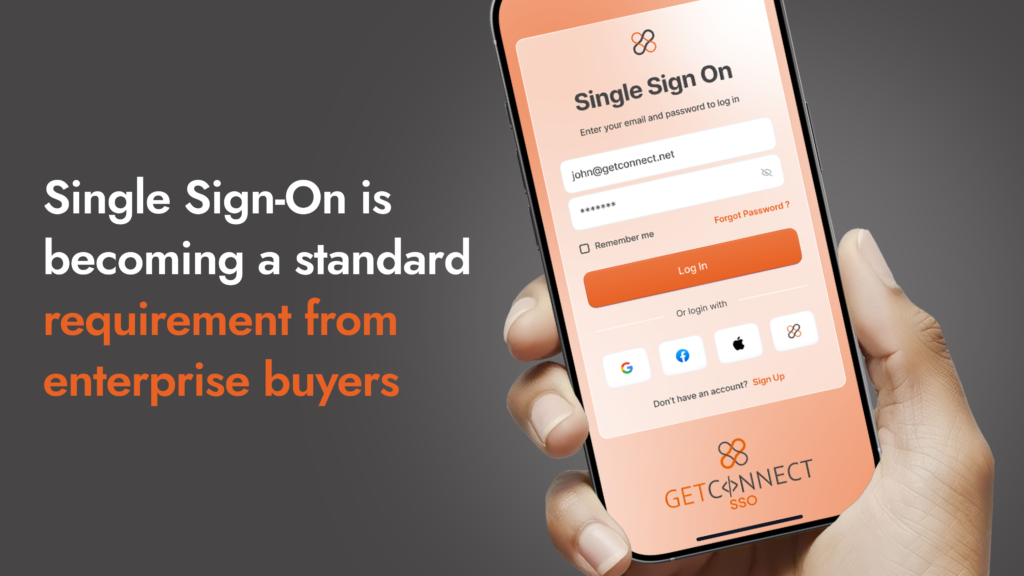
For suppliers working with larger corporate clients in the promotional merchandise sector, this capability increasingly sits alongside SSO as part of what it takes to be treated as an embedded, ongoing partner rather than a supplier evaluated afresh on every order.
A note on cXML and OCI
It is worth knowing, at least at a high level, what sits behind the connection your client is asking for. cXML, or commerce eXtensible Markup Language, is the standard most widely used by platforms including SAP Ariba, handling everything from catalogue data through to the basket and purchase order. OCI, or Open Catalog Interface, is used more by platforms with SAP ERP roots and works in a broadly similar way, though the technical detail differs. Your buyer’s procurement team will generally tell you which one their system expects, and from a supplier’s perspective the practical difference is mostly which specification your integration partner needs to build against, rather than something requiring a different decision on your part.
Frequently asked questions
Which procurement platform does my client use?
SAP Ariba, Coupa, and Jaggaer are among the most common platforms used by larger buying organisations, though it is worth confirming directly with your client’s procurement contact, since the setup steps and the standard involved, cXML or OCI, differ between them.
Do I need PunchOut for just one client, or should I treat it as a standing capability?
If you expect to win more enterprise business of this kind, it is generally worth building PunchOut properly across your platform, rather than treating each client’s request as a one-off project to be repeated from scratch next time.
Does my e-commerce platform need to be on a specific system to support PunchOut?
GetConnect’s PunchOut integration is built to work with the e-commerce platforms most commonly used by suppliers in the promotional merchandise and B2B distribution sectors, so in most cases the connection can be built onto your existing site rather than requiring a different platform.
If I already support SSO, do I still need PunchOut separately?
Generally yes, if a client is asking for both. SSO establishes who is logging in; PunchOut is the fuller connection that moves them into your catalogue and an order back into their system. Having SSO in place already tends to make adding PunchOut more straightforward.
Who on my team needs to be involved in setting this up?
PunchOut touches sales, IT, and whoever manages your product and pricing data, so involving people from each of those areas early tends to make the process smoother than treating it as a purely technical task handed to one person.
Is PunchOut only something I need to think about once we have won the contract?
Not necessarily. Increasingly it is specified in the tender itself as a condition of being considered at all, sometimes with an ongoing servicing obligation built into the contract that follows. It is worth finding out whether you can support it, or how quickly you could, before you submit a response, rather than after.
In summary
PunchOut can sound like another item on a growing list of technical requirements from a client who is simply trying to make their own purchasing process work properly. Seen from that angle, though, it is a long-established way of meeting enterprise buyers where their purchasing already happens, rather than asking them to adapt to yours, and increasingly it is the line in a tender that decides who gets the contract in the first place.
Your enterprise clients require it because it keeps their spend inside an approved process, reduces the manual re-keying their own teams have to do, and gives them a consistent way of buying from every supplier on their list, including you. You benefit from it because it removes administrative overhead from your side of the relationship, and because it is increasingly the difference between being shortlisted for larger contracts and being ruled out before pricing is even discussed.
GetConnect has built PunchOut support into its platform specifically to make this connection straightforward for suppliers in the promotional merchandise and B2B distribution sectors. If a client has raised it with you and you are working out what to do next, or you want to understand how PunchOut sits alongside SSO as part of a broader integration approach, we would be glad to talk it through.